Website safety is a convenience for the user. Website security assures users that personal information there will only be shared with the appropriate authorities and will not be stolen or misused by third-parties or hackers. This improves customer confidence in the company adding value to that brand reputation.
Here are 7 useful tips and tricks to improve website security and data protection.
Hire Security Expert

It is good to apply useful website safety tips for the security of the website. But hackers are smarter in trying to find any possible way to steal website data. Security warnings are usually received but are often unrecognized and can be dangerous. Danger can arise if not addressed in time. Cybersecurity experts can easily detect and solve security threats on a website. Contact a good cybersecurity expert and report any irrelevance related to your website. Follow the expert guidelines and use suggested tools and plugins for the website.
Ensure Website Backup and Software Update
It is a good idea to back up your website regularly. Backing up all of your website files can be helpful if your website is not accessible. Make sure the web host provides a backup of their server. Use the best content management programs that offer tools and plugins to backup securely. Plugins automatically back up website files, but manual backup is sometimes required.
To ensure website safety, you need to make sure that all software is up to date. This applies to the server operating system on the CMS or forum you are using on your website or any other software. If security breaches are found in the software, hackers try to misuse them.
Click here to know about what should be the page size and content optimization in your website.
Clean the Cache and Fortify the Password

An uncleared cache is another potential threat that could pave the way for hackers to attack. Applications, plugins, or databases that are no longer in use may contain valuable information.
Such unused databases, plugins, or applications can contain passwords, credit card details of the customer, or other important website information. Hackers always look for such sensitive information from website cache. Clearing the website cache regularly is a great way to prevent attacks.
The analysis by the UK's National Cyber Security Centre (NCSC) found 123456 was the most widely-used password on breached accounts. Shockingly, 17% of users rely on "123456" to secure their sensitive information, says VentureBeat.com.
Peopleforresearch.com says that most used passwords in 2017 are' 123456' or mobile numbers or the word 'password' itself.
Such weak passwords indirectly invite hackers and give them easy access to your data.
Strengthening passwords is an easy way to improve website security. Website owners need to verify strong password criteria for user account security.
Here's a great way to protect your passwords:
- Use a password longer than at least 9 characters
- Allow combination passwords with uppercase letters, lowercase letters, numbers, and special characters.
- Don't write passwords anywhere to remember.
- Avoid using birth dates, pet names, place names, your name as passwords as they can easily crack.
Dashlane and Lastpass are applications that help generate strong passwords. Difficult to guess passwords is the key for website safety.
Ensure SSL Encryption
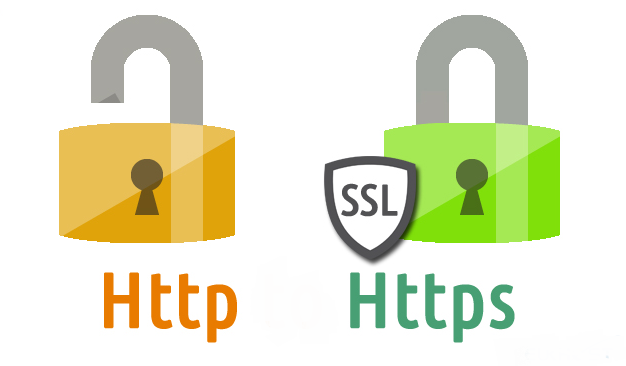
The SSL certificate establishes an encrypted link channel between the website user and the website owner. SSL protects your website's data transactions. Public key cryptography encrypts all your sensitive data across the network. Hackers cannot decrypt such encrypted information without a private key. The public key is available in the public domain. Private key is reserved for the recipient. When he receives the encrypted form of the message, he uses the private key to encrypt the data. There are several types of SSL certificates available, depending on the organization's purpose. Websites that make online payment transactions require SSL certification.
Check for SQL Injections
SQL injection is a code injection technique used to attack data-based applications, in which malicious SQL statements are entered for execution. Some common SQL injection examples are retrieving hidden data, subvert application logic and Union attack. This is dangerous for websites that use web forms and URL parameters that allow outside users to provide information. If these parameters are largely defined, data violation is easily possible. An SQL injection dominates the website to perform unwanted commands and can hold all your sensitive data. Using parameterized queries is a simple way. This will establish strict criteria for which web language can be used to access database information. Restricting the terms and conditions used to access your website may reduce the likelihood of a SQL attack attempt.
XSS Attack Protection

Cross-site scripting (XSS) attacks inject malicious JavaScript into website pages. When a user visits such website pages, the malicious JavaScript runs on the user's browser. It may alter the page content to retrieve the desired data or steal information to send back to the attacker. For example, suppose you write comments on a page without verification. In that case, attackers can submit malicious comments with script tags and JavaScript, which can go into all users' browsers and steal their login cookies. This will allow hackers to control each user's account. You should ensure that users do not inject active JavaScript content into your webpages.
Use Website Security Tools
Overall website security requires regular evaluation and maintenance.
There are various commercial, free, and premium tools available in the market under the name of Commercial Access or Venerability Tester Software Solutions. This software copies scripts that hackers use to attack websites.
Consider the following tools for website security:
It provides a free trial version to test injection attacks and XSS attack threats.
ZatacProxy (ZAP):
Tools are free to use. ZAP provides a variety of functions such as Dynamic SSL Certification, Automatic Scanner, and Authentication Support.
These 7 hacks will improve your website safety greatly. If any other issues arises, contact a website safety expert. If you don't have a website security expert, you can contact us and our team would be happy to help you out.